WordPress is a powerful open source Content Management System (CMS) that makes it easy to run a blog, or any kind of website … including this one. It’s been around since 2003 (which is forever in tech years) and currently powers over 22% of the top 1M websites.
My Experience with WordPress
I was first introduced to WordPress around 2009 when building a website for a family member. I’d used some other solutions before including Geocities (old school), Microsoft FrontPage (shudder), and coding straight HTML, however WordPress immediately stood out as a powerful way to publish a website without technical experience.
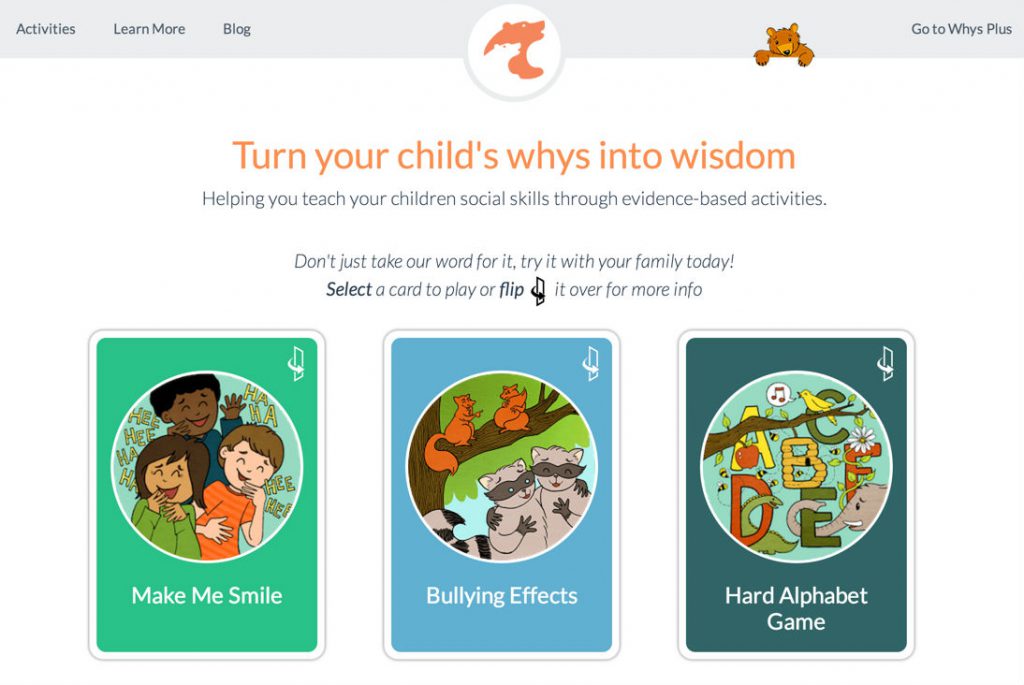
Since then I’ve built, or worked on, over 30 websites using WordPress. These ranged from vanilla sites, to page builders like Elementor, to themes I hand-coded using Roots. In 2013, I even built my startup Whys Learning (interactive family games) on WordPress, taking advantage of the powerful CMS. It may not have been the most elegant solution, but it allowed me to launch and iterate quickly without extensive coding knowledge.
One of the things that made WordPress so welcoming (and frustrating) is the low barrier to entry. I was able to create a website with no technical skills, and as I learned to code, I could easily customize it. The danger is that you can do things poorly without even realizing it – for example with performance and security. This doesn’t negate it as a tool, it just means that for critical sites and important data you’ll want to be careful.
Coming Back
During the past few years, with work and life getting busier, I spent much less time in the WordPress ecosystem, though I’d check in from time to time. When Gutenberg was released I was curious but uncertain, given the massive change, legacy themes, and negative reception.
In 2023, after years of being offline, I decided to relaunch my blog, and started exploring solutions. I poked at many options, but ended up using WordPress with an early Block theme (Seedlet) that I customized with some fun CSS and JavaScript. Overall it was a decent experience, however there were frustrations. It felt like a beta product, as there wasn’t always a clear way to do things, and limited documentation around Block themes.
Exploring Alternatives
Given this and some other challenges, I removed the site with the intention of rebuilding and relaunching. Over the next year I continued to explore other solutions too. The criteria was the following:
- Blog friendly → It must support and work well as a blogging platform
- Affordable -> It shouldn’t cost more than $5/mo to host my own site
- Mine -> The site and content must be owned by me, not a platform
- Simple -> It should make the process of posting simple without coding
- Customizable -> BUT … it should be easy enough to tinker with the code
- CMS -> It needed a robust CMS where I could manage all the posts
- Mobile -> Ideally it would support posting from anywhere (nice to have)
Site builders like Wix, Weebly, Squarespace, and Framer were off the table as their experiences were proprietary and frustrating (I’ve used all of them), and migrating off to a new platform would be difficult.
Social platforms were off the table, as they owned the content and distribution. Substack, Flickr, and others were too focused on a specific type of content (i.e. images or articles). Ghost was expensive and focused on monetization. Static site builders like Jekyll didn’t offer a GUI and I really didn’t want write code to publish a post.
Coming Back (again)
So, after all the exploring, WordPress stilled seemed to be the best option. Jumping in earlier this year I started with the new Twenty Twenty-Five theme and have been pleasantly surprised. It feels like Full Site Editing has gone through puberty and is a much more mature solution. On top of this, there are some solid block-based plugins that offer extensibility not yet in the core (though WordPress 6.9 will replace two of my plugins). Finally, with more documentation available, finding resources has been easier.
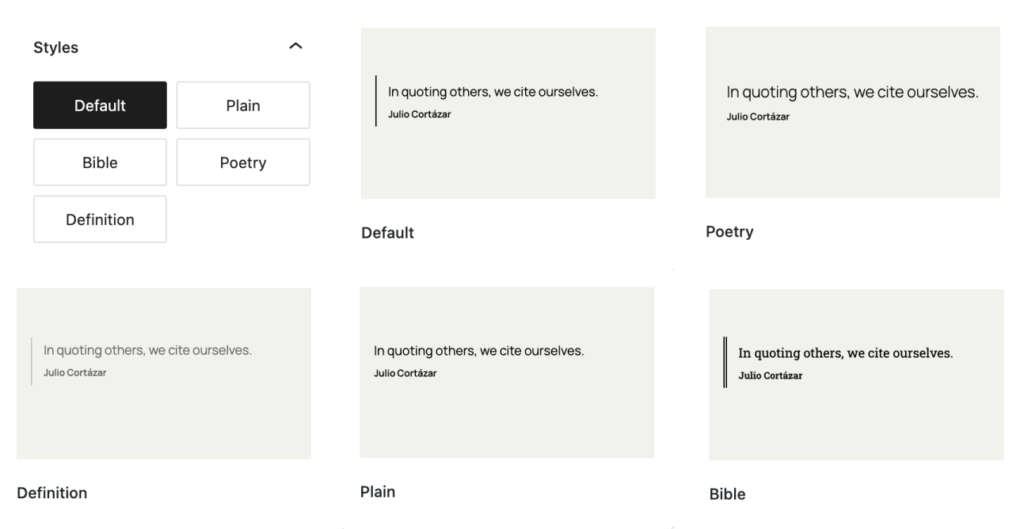
Moving from classic WordPress to Gutenberg has made the process of writing much more enjoyable; I am able to focus on the content of the post, and still quickly make stylistic changes. Features like Block Style Variation have also made it much easier to have consistent styling across posts. For example, I have added more Quote Styles to support Definitions, Poetry, Bible verses and more 👇.
I’ve also been experimented with using AI to prototype some custom blocks and theme modifications – though the consistency and accuracy isn’t fully there. On my to do list is to try the WordPress AI Block Builder, Telex
Looking Forward
After diving back into the world of WordPress, I am more bullish in it not only as a website platform, but as an alternative software model; opposing the proprietary, venture-funded behemoths that seek to build monopoly and extract maximum profit. I don’t know where WordPress will be in 10 years, but I am confident that it will still be around and more relevant than most of the other solutions available today.